

You've put so much effort into your project.
You made a gauge swatch, chose your size, worked row by row…
and in the end, you try it on and think:
Here on the blog, I share everything that slips through my stitches:
Whether you're a total beginner or already dreaming in rows and rounds –
you're in exactly the right place.
So get comfy, grab your favorite yarn, and start clicking through. 💛
Happy reading, laughing, learning & casting on!
Much love,
Kathrin
You've put so much effort into your project.
You made a gauge swatch, chose your size, worked row by row…
and in the end, you try it on and think:

You're working on your project, focused and relaxed. You insert your hook or needle into the next stitch – and suddenly only part of the yarn is caught. The rest of the strands stay behind somewhere between the fibers.
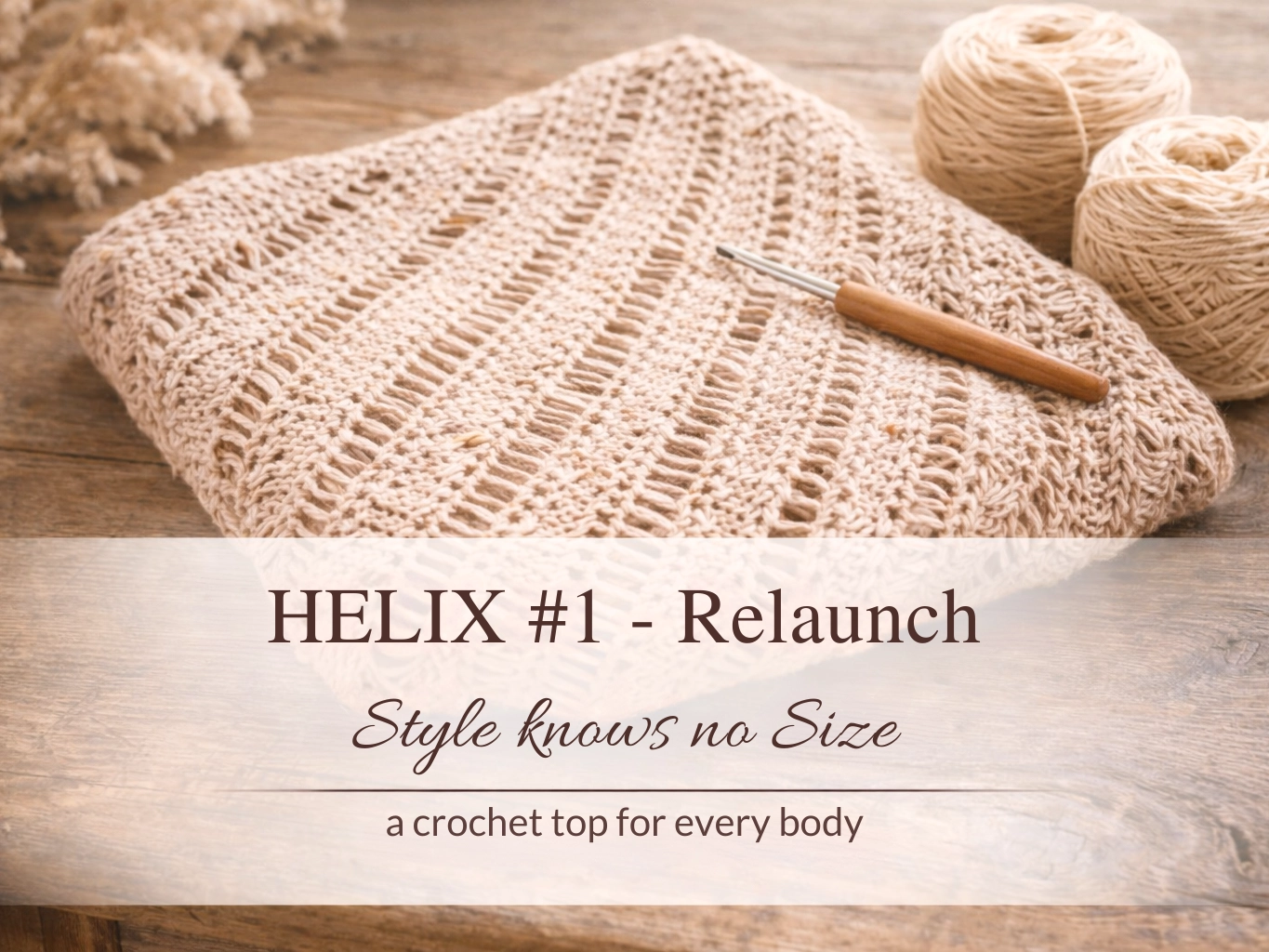
Some designs never truly disappear – they simply wait for the right moment to be rediscovered.

You probably know this situation:

Today, when we knit, it usually happens in a cozy setting: on the sofa, with a cup of tea, maybe with music playing or a series in the background.

You probably know the situation:

Sometimes it happens without warning.
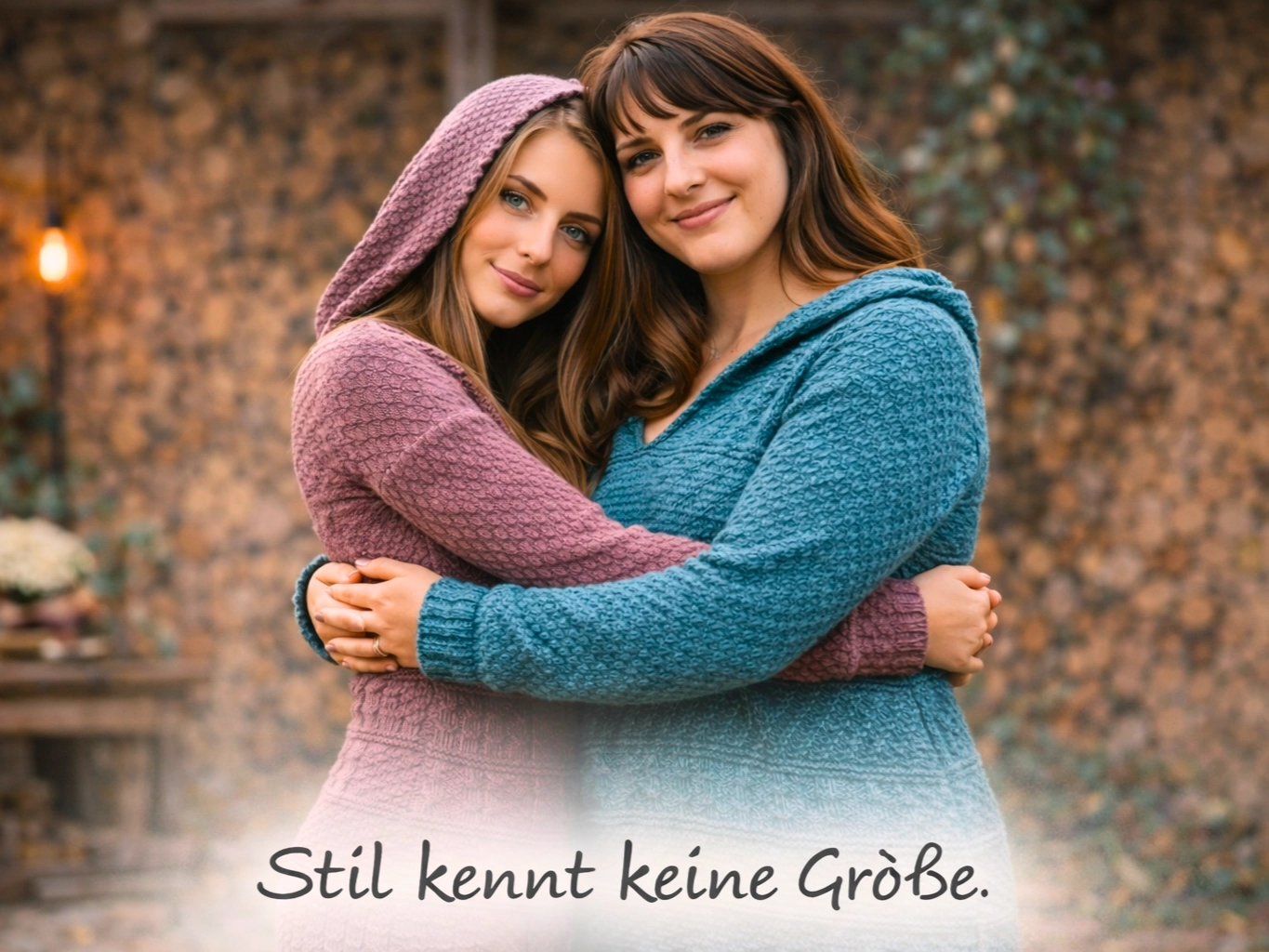
Some designs stay with us for years.

When the ball of yarn suddenly grows legs…You're sitting comfortably on the couch with your knitting or crochet project.

Construction, Sizing & Bonus Pattern for a Simple Raglan Sweater

Alpaca, Merino, Mohair & Blown Yarns – An Honest Warmth Comparison

Why this scarf is the logical continuation of Chunky Season 2026.