
A Small Detail with a Big Impact: How We Can Truly Help Birds

Today, I came across an article that genuinely stayed with me.
Not because of a pattern.
Not because of a technique.
But because of an idea.
What the Article Is About
The article talks about a so-called "wool heart" – a small object filled with alpaca fibers and placed in the garden.
The idea behind it is actually quite simple:
In today's environment, birds often struggle to find suitable nesting material.
Instead of natural fibers, they sometimes turn to materials that may seem harmless to us – but can be dangerous for them:
- plastic threads
- nylon fibers
- synthetic materials
These can tangle, trap moisture, or in the worst case, become hazardous for young birds.
The concept of the "wool heart" is to offer a better alternative:
Natural, untreated fibers – in this case, alpaca.
Warm. Breathable. Fast-drying.
The core idea:
👉 Make it easier for birds to find safe, high-quality nesting material.
A Thought That Stays With You
A simple comparison might help:
In winter, it's completely natural for us to provide food – whether through feeders or suet balls.
But in spring, their needs change.
It's no longer just about food,
but about safe conditions for raising their young.
And this is where something comes into play that we rarely think about:
👉 nesting material.
So while we support birds with food in winter, in spring we could just as consciously consider what materials they have available for building their nests.
🌿 A Quick Reality Check
It's also important to say this:
The idea of offering nesting material to birds is not new.
In fact, it is recommended by nature conservation organizations.
For example, the Landesbund für Vogel- und Naturschutz explains that suitable materials such as:
- animal hair
- feathers
- untreated natural fibers
can be helpful when provided in small amounts.
👉 You can read more about it here: (in German)
https://www.lbv.de/ratgeber/lebensraum-garten/nistkaesten/nistmaterial-anbieten/
Even simple solutions like small wire baskets or repurposed feeders are commonly used.
🪶 The idea itself has been around for a long time.
What I Find Interesting
What makes this article stand out isn't the "what."
👉 It's the "how."
The idea is made visible.
Tangible.
And emotionally told.
It's about shifting perspective.
Realizing that small things can actually make a difference.
That it doesn't always have to be a big project.
Sometimes, a small detail is enough.
And that's something we often lose sight of in everyday life.
We count rows.
We plan projects.
We think in yarns, sizes, and patterns.
But we rarely ask ourselves:
👉 What impact could my work actually have?
Taking the Idea Further
And this is where I personally paused for a moment.
Because this doesn't require a finished product.
You can easily bring this idea into your own space.
For example:
👉 a small bird nest or a simple "material station" in your garden
👉 filled with suitable natural fibers like untreated yarn or animal hair
What matters most:
- no synthetic materials
- no long threads or loops
- as natural as possible
🐦 My Conclusion
I think this is a beautiful thought.
Not just asking ourselves what we want to make next.
But also why.
And maybe that's a small inspiration for your next project.
👉 You can find the original article here: (in German)
https://handcrafted-magazine.com/zupfherz-bergschatz-hc-design/
💬 I'd love to know:
Have you ever created something that wasn't just beautiful – but also served a purpose?
#strickenimtrend #sustainablecraft #creativeimpact #craftwithpurpose
Just like we help with food in winter,we might be able to support birds with the right materials in spring.
All my love,
Kathrin 🌸
Would you like to dive deeper into my world of stitches?
Explore my patterns, browse the blog or join the community!
Popular patterns from stricken-im-trend.com
Maybe your next project is already waiting for you – discover some of my most loved designs.
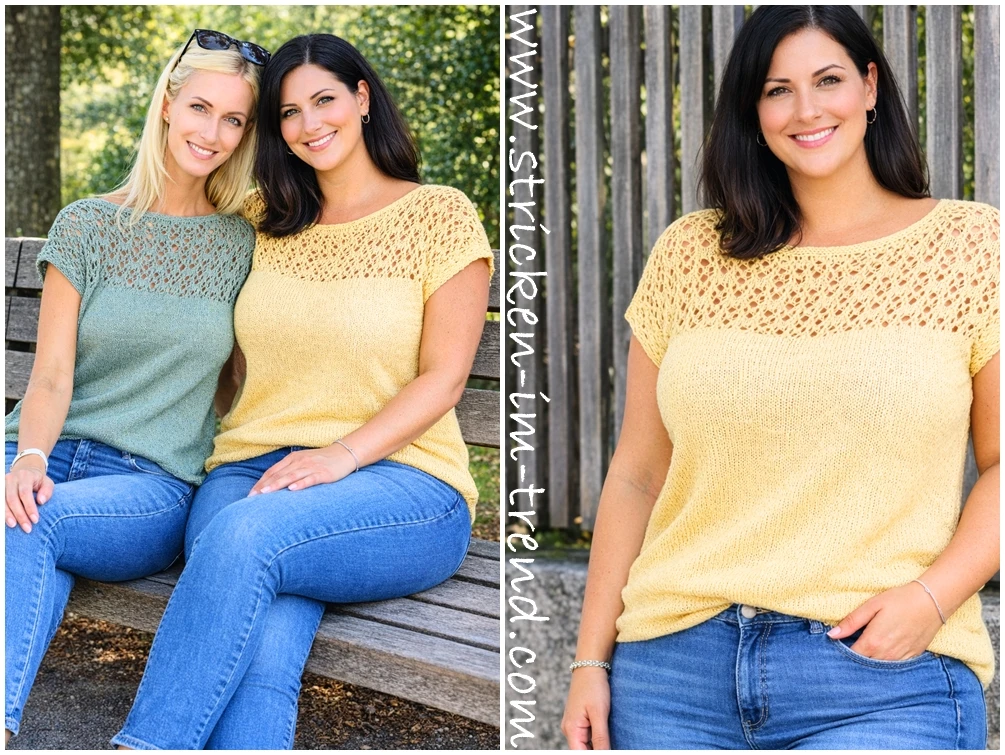
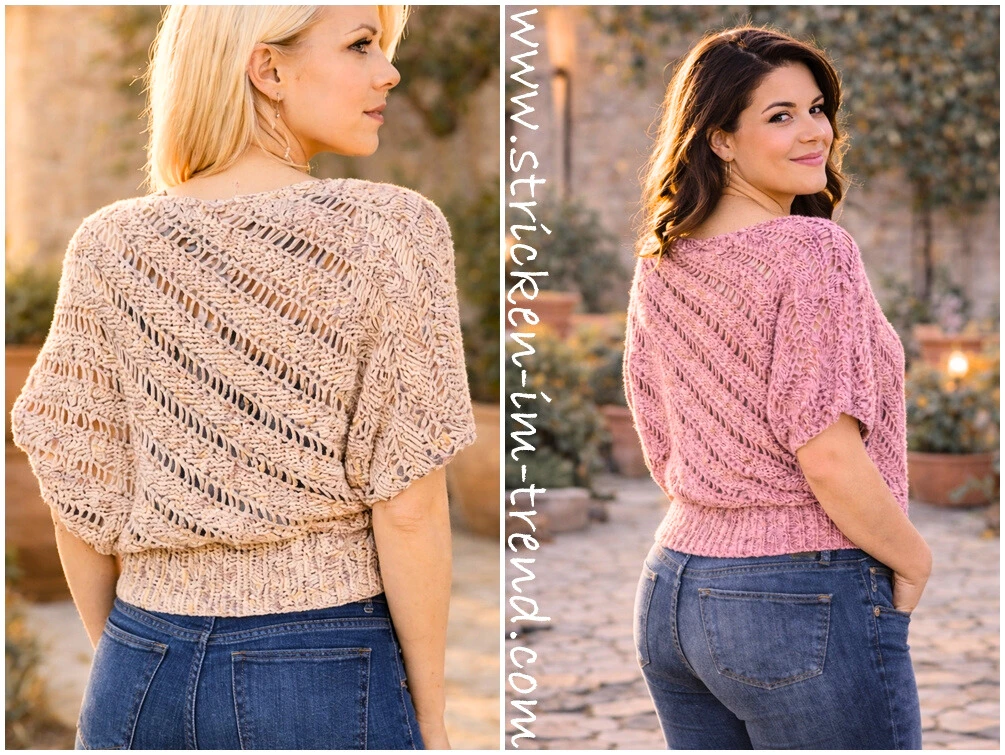
Style knows no Size.
An initiative by Kathrin Parlatan | stricken-im-trend.com