
#FunFact: Knitting & Crochet Myths Nobody Tells You – and Why a Sweater Might Ruin Your Relationship

"Never knit a sweater for your partner…"
…or they'll be gone faster than your last stitch slipping off the needle.
Yes. Someone actually told me that.
And I just thought:
Alright… we're talking about yarn here. Everyone relax.
But then I started looking into it.
And you know what I realized?
🔮 The world of knitting and crochet is full of myths.
And not just a little.
I mean really full of them:
romantic, strange… and sometimes surprisingly logical.
And that's exactly where it gets interesting.
The Sweater Curse – myth or uncomfortable truth?
Let's start with the classic.
👉 the so-called "Sweater Curse"
The idea:
You knit your partner a sweater → relationship over.
Sounds like a drama series.
But it's actually one of the most well-known myths in the fiber arts world.
And here's the part I love:
✨ Historically, this isn't some ancient superstition.
The myth mainly became popular in the 20th century.
So not a medieval curse… more like modern relationship drama 😄
And the explanation?
It's almost too good:
A handmade sweater represents:
- time
- effort
- closeness
👉 In short: commitment
And if the other person isn't on the same page…
💥 things fall apart.
Not because of the yarn.
But because the sweater reveals what was already there.
And suddenly, this "myth" starts to make a lot of sense, doesn't it?
Fishermen's sweaters, patterns & big stories
Now we're getting a little historical – but stay with me, it's worth it.
Maybe you've heard this before:
👉 "Every fisherman's family had their own pattern."
And supposedly, you could identify someone by it.
Sounds beautiful. Almost poetic.
But here comes the reality check:
🕯️ Textile research and museums are pretty clear:
there's no solid evidence for that.
What did exist:
- regional patterns
- typical knitting techniques
- a lot of meaningful handmade work
And yes… stories that grew over time.
So:
💬 The idea isn't completely made up – but it's definitely romanticized.
And honestly?
That's exactly what makes it so charming.
A little superstition was always part of it
Especially in coastal regions (like Scotland and England), there were quite a few beliefs around knitting:
- unfinished pieces could bring bad luck
- clothing from the deceased wasn't simply reused
- yarn was sometimes seen as carrying "something"
Sounds mystical?
👉 It is.
But also very typical for earlier times.
Because:
Handcraft wasn't just practical – it was part of life, rituals, and emotions.
"Crochet is easier" – really?
Now here's a myth you've definitely heard 😏
"Crochet is easier than knitting."
Let me be honest:
👉 This is one of those half-truths.
Yes:
- crochet can feel more accessible at first
- mistakes are often easier to fix
But:
Complex crochet patterns?
Texture work?
Garment construction?
👉 Not easy at all.
✨ This myth sticks around because:
the entry feels easier – not the craft itself.
Making mistakes? People used to laugh about that
Today:
"Oh no, I made a mistake! I have to rip everything back!"
Back then?
"Eh… it's fine. Just keep going."
And that's not even an exaggeration.
Because:
Yarn was valuable. Time was limited.
👉 People adjusted. Improvised. Kept going.
Perfection wasn't the goal.
That came much later.
And maybe… we should take a little inspiration from that again.
"You HAVE to add a mistake"
Now it gets interesting… because here's a myth many people know, but rarely question.
"Make sure you include a small mistake… otherwise it's not good."
The first time I heard that, I thought:
Okay… now we're getting a bit mystical 😄
But there's actually a fascinating idea behind it.
🔮 The myth:
A perfect knitted or crocheted piece is somehow problematic – you should intentionally add a small mistake.
And here's the interesting part:
👉 This idea doesn't only exist in knitting or crochet.
It appears in various textile traditions around the world, for example:
- Navajo rugs ("Spirit Line")
- European textile traditions
The idea behind it:
- perfection belongs only to higher powers
- humans should remain intentionally imperfect
-
or, more poetically:
the soul needs a way to leave the piece
Sounds beautiful, right?
Almost a little too beautiful 😏
And that's where the reality check comes in:
For knitting and crochet specifically, there is
👉 no clear historical evidence that this was originally part of the craft.
A lot suggests that this idea was later adapted or romanticized.
💬 A beautiful thought…
but probably more modern interpretation than actual tradition.
And still – I have to admit:
The idea that a tiny "imperfection" makes your piece feel alive…
…kind of has something, doesn't it? 😄
And then there are the "magical patterns"…
Cables = connection
Honeycomb = hard work
Waves = life's journey
Sounds beautiful.
And yes:
👉 these meanings exist.
But:
Many of them were only consciously assigned in the 20th century – often as part of marketing.
Which means:
The patterns are real – but their fixed meanings were often added later.
Why we love these stories
Let's be honest for a second.
Why do we love these myths so much?
Because knitting and crochet are more than techniques.
They are:
- calm
- connection
- memories
And wherever there's emotion…
👉 stories grow.
And that's exactly why these myths stick around.
❤️ Final thoughts
Some of these myths are:
historically rooted, culturally shaped or simply well told.
And that's exactly why they belong.
💬 And now it's your turn
👉 Have you heard of the sweater curse before?
👉 Or experienced something that made you think: "That can't be a coincidence…" 🧶
#strickenimtrend #maschenmitliebe #knitting #crochet #fiberarts #funfact
Stitches are never just stitches.
They always carry a piece of history. ✨
All my love,
Kathrin 🧿
Would you like to dive deeper into my world of stitches?
Explore my patterns, browse the blog or join the community!
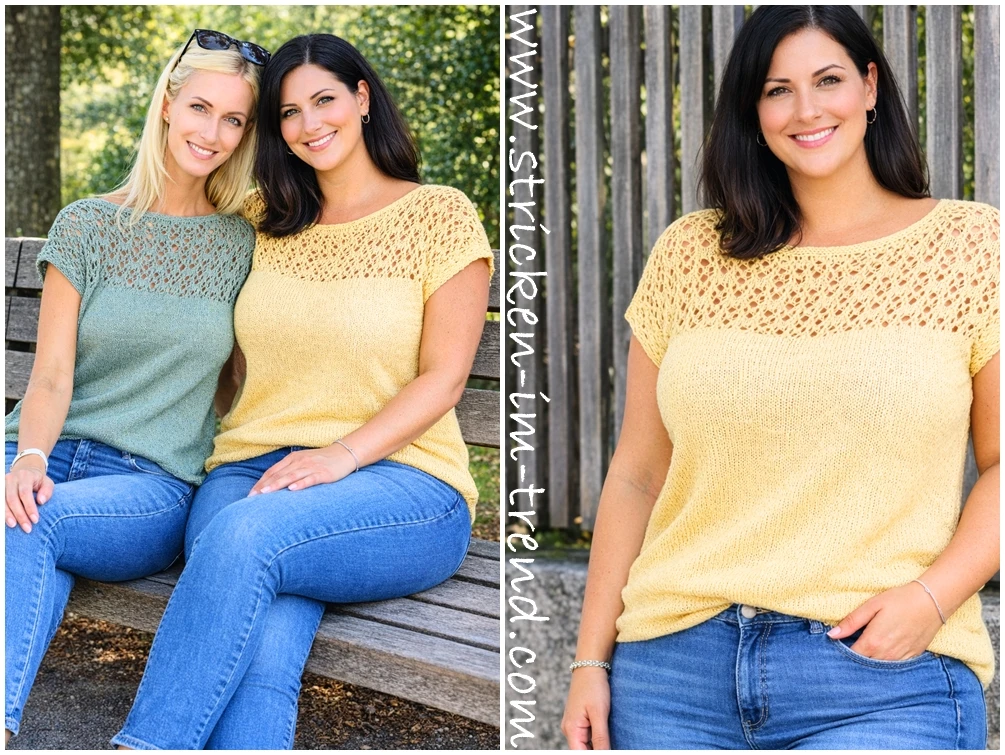
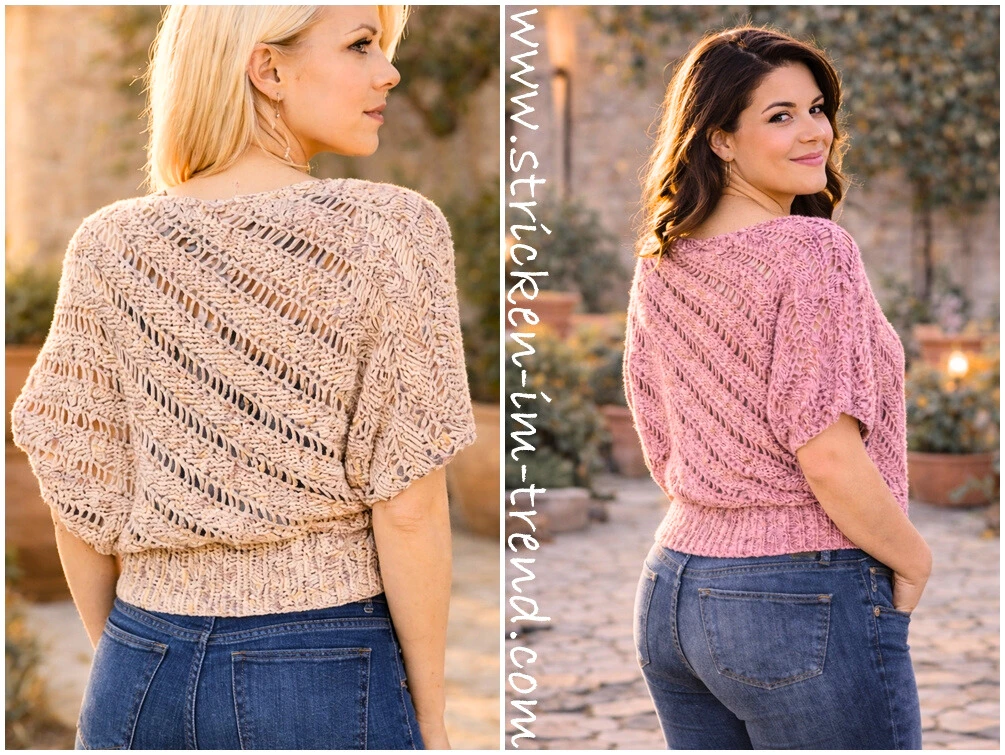
Popular patterns from stricken-im-trend.com
Maybe your next project is already waiting for you – discover some of my most loved designs.
Style knows no Size.
An initiative by Kathrin Parlatan | stricken-im-trend.com