
Mulesing Explained: What Does Mulesing-Free Wool Really Mean & What to Look for When Buying Yarn

You see a beautiful yarn, maybe already imagine your next project, almost feel the softness between your fingers — and then a word suddenly makes you pause:
mulesing-free.
What does that actually mean?
Is it important?
Or just a term that sounds reassuring?
The honest answer lies somewhere in between. It is relevant, but it's not something that should overwhelm or complicate your yarn choices. A basic understanding is often enough to make more conscious decisions.
🐑 What is mulesing?
Mulesing is a practice used in sheep farming, mainly in Australia. It involves removing skin from the sheep's backside to prevent flystrike — a condition that can be life-threatening for the animals.
The intention behind it is protection. At the same time, the method is widely criticized because the procedure itself is painful and has often been carried out without adequate anesthesia.
It's exactly this contradiction that makes the topic so sensitive.
What does "mulesing-free" really mean?
If a yarn is labeled mulesing-free, it means the wool comes from sheep that have not undergone this procedure.
It's a clear step toward animal welfare — but only one part of the bigger picture.
Other factors matter as well: how the animals are kept, how they are transported, and how the wool is processed.
Choosing mulesing-free yarn isn't about doing everything perfectly. It's about making a more conscious choice.
🌍 Europe vs. USA, Canada & Australia – where to look more closely
The origin of wool really does make a difference — and this is where things often get confusing.
🇪🇺 In Europe, mulesing is not commonly practiced and is generally not an issue. Wool from countries like Germany, Austria, or Scandinavia is typically mulesing-free. However, this doesn't automatically mean that all aspects of animal welfare or sustainability are ideal.
If you want to look deeper, focus on transparent sourcing, smaller farms, or certifications.
🇺🇸 & 🇨🇦 In the United States and Canada, mulesing is also not practiced. That's a good starting point. However, differences here are more related to production scale and transparency. Large farms and industrial processes can vary widely. Certifications like the Responsible Wool Standard (RWS) and clear brand communication are helpful indicators.
🇦🇺 Australia plays a special role as one of the world's largest producers of merino wool.
At the same time, mulesing is still used in some cases. This doesn't mean Australian wool is automatically problematic — but it does mean you should take a closer look. Clear labeling as mulesing-free or certifications are key here.
What to look for when buying yarn
You don't need to memorize every detail to make a good decision. A few simple points are usually enough.
Clear product descriptions, traceable origins, and certifications like RWS are strong indicators. It's also worth choosing brands that communicate openly about their supply chains.
If information is missing or vague, it's usually a sign to take a closer look.
Do I have to get everything "right" now?
This question comes up naturally — and the answer is simple: no.
You don't need to analyze every yarn purchase or feel guilty about choosing something you love.
But once you understand what to look for, your decisions naturally become more conscious— not out of pressure, but out of awareness.
My personal perspective
I work with yarn every day and, over time, my perspective has changed.
Twenty years ago, I didn't think much about these topics. Today, I pay more attention — not perfectly, not strictly, but consciously.
For me, that's part of what handmade is about.
It's calm, honest, and intentional—and the materials can reflect that.
🧡 Conclusion
Choosing mulesing-free wool won't change the world overnight. But it's a step that shows awareness and care.
And often, it's these small, quiet decisions that make the biggest difference over time.
💬 Have you ever paid attention to "mulesing-free" when buying yarn?
Or is this something completely new to you?
I'd genuinely love to hear your thoughts 🧶
#mulesingfree #sustainableknitting #yarnknowledge #ethicalwool #knitwithlove
It's not about doing everything perfectly.
But with a little knowledge, you naturally make more conscious choices.
All my love,
Kathrin 🌸
❓ Frequently Asked Questions about Mulesing-Free Wool (FAQ)
You may have had a few questions come to mind while reading —
the kind that often come up when you first start looking into this topic.
Here, I've gathered the most common ones and answered them clearly and simply, so you can get a quick overview and feel more confident in your choices.
1. What does "mulesing-free" actually mean?
Mulesing-free means that the wool comes from sheep that have not undergone the mulesing procedure. This is a practice used to prevent flystrike, but it has been widely criticized due to the pain it can cause.
2. Is mulesing-free wool automatically sustainable?
No. Mulesing-free simply means that this specific practice has not been used. Other factors such as animal welfare, transportation, and environmental impact are independent of this and should also be considered.
3. Which countries offer mulesing-free wool?
Mulesing is only practiced in a few regions worldwide. In most wool-producing countries, this method is either uncommon or not used at all.
Wool from Europe (such as Germany, Austria, Scandinavia, and the UK), New Zealand, South America (including Uruguay, Argentina, and Chile), South Africa, as well as the United States and Canada is generally considered mulesing-free.
Australia is the main exception. Mulesing is still used there in some cases, which is why it's important to look for labels such as "mulesing-free" or certifications like RWS when buying Australian merino wool.
4. How can I recognize mulesing-free wool?
Look for clear labels such as "mulesing-free," information about the origin, and certifications like the Responsible Wool Standard (RWS). Brands that communicate transparently are usually a good sign.
5. Is merino wool always affected?
No. Merino wool can be mulesing-free—especially when it comes from certified or transparent sources. However, without clear labeling, it's not possible to be certain.
Would you like to dive deeper into my world of stitches?
Explore my patterns, browse the blog or join the community!
Popular patterns from stricken-im-trend.com
Maybe your next project is already waiting for you – discover some of my most loved designs.
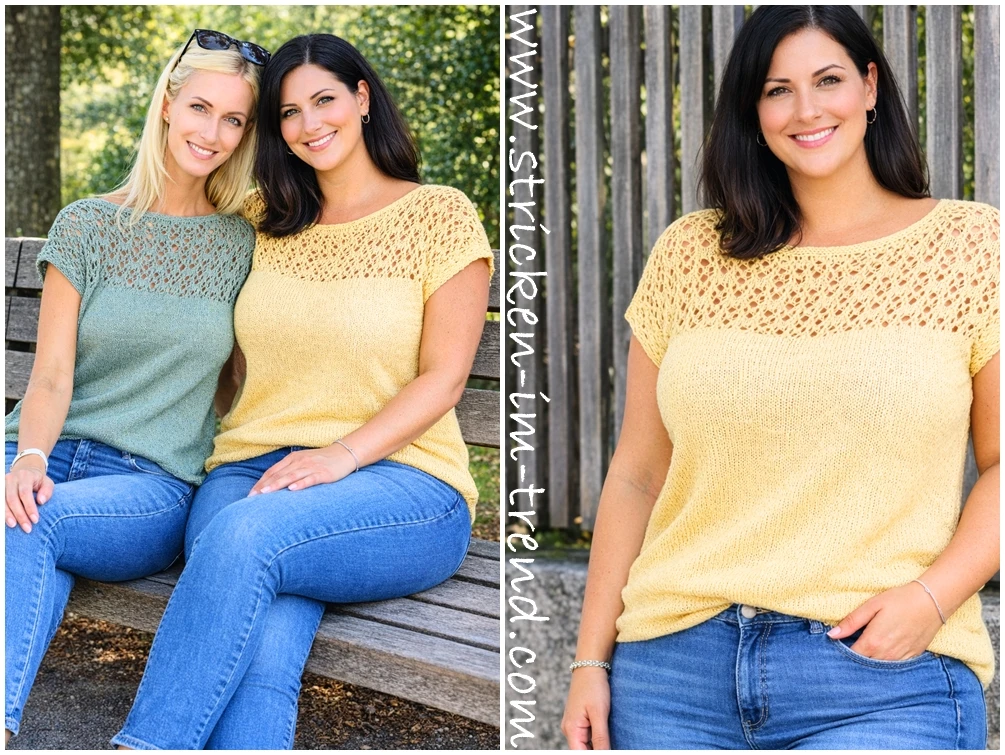
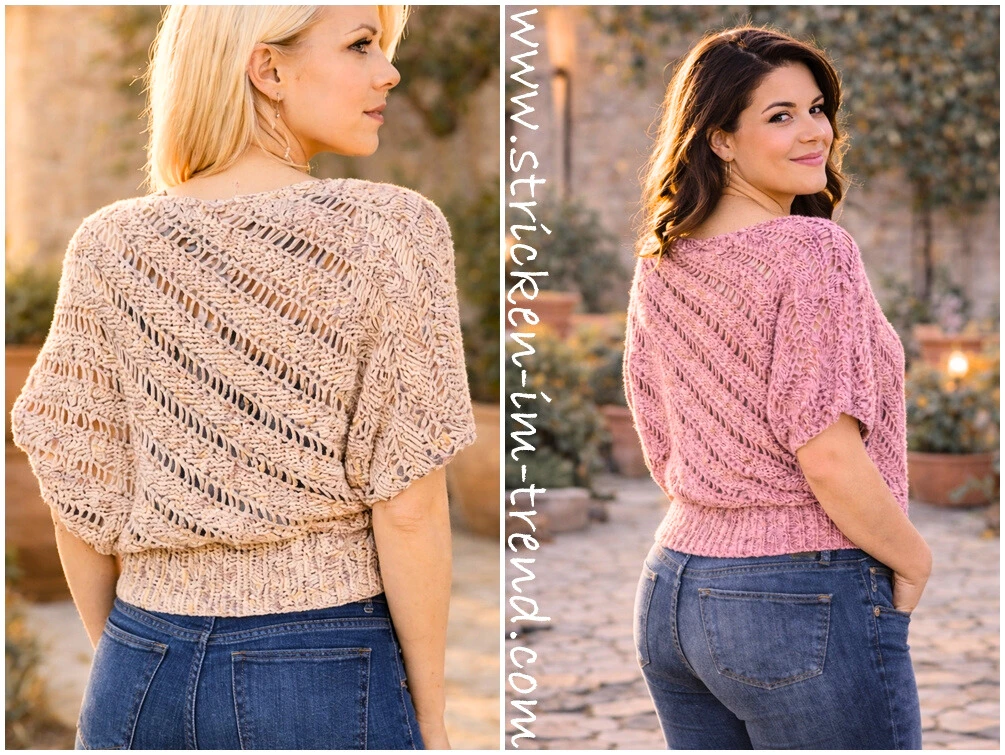
Style knows no Size.
An initiative by Kathrin Parlatan | stricken-im-trend.com