
#HistoryStitch: Victorian Wire Crochet – Jewelry Made from Metal Threads

Crochet is soft. Period.
That's how we think of it.
And then you come across the 19th century—and suddenly realize: people were working with wire. Not flexible, not cozy, not forgiving.
And yet, it found its place in history.
Maybe exactly because of that.
To really understand this, it helps to take a step back and look at how dramatically handcrafting changed during the 19th century.
Before that, much was regional—passed down orally or recorded by hand.
In the Victorian era, something shifts:
👉 Handcraft becomes printed, shared, and standardized.
Magazines like Weldon's Practical Crochet and other fancywork publications made it possible for:
- patterns to become reproducible
- techniques to spread quickly
- and women across different regions to work in similar ways
This had a direct effect:
techniques became more reliable—and with that, more experimental.
People no longer stuck only to what "worked."
They started exploring:
- finer yarns
- more lustrous materials
- new combinations
And this is exactly where wire appears—not as a dominant material, but as a logical extension.
Wire in historical practice – not a myth, but not the norm either
This is important, because it's often romanticized.
Wire crochet was not an everyday practice.
It belonged more to what was known as fancywork—decorative, often experimental handcraft.
In historical sources, you'll find references to:
- "fine wire" or "bonnet wire"
- wire used to stabilize shapes
- combinations of yarn and metallic elements
What you rarely find are clear, structured instructions like "crochet wire jewelry in 10 steps."
✦ What this tells us:
Wire was present—but more as a material for advanced makers or creative exploration.
And that's exactly what makes it historically so interesting.
Wire changes the rules
At first glance, everything seems the same.
A stitch is a stitch.
Until you actually work with wire—and immediately realize it isn't.
Wire doesn't adapt. It doesn't forgive.
It shows every single movement.
It forces a different mindset:
- less speed
- more control
- more intention
Mistakes? They stay.
Uneven stitches? You'll see them right away.
That's why you often find:
- calm, structured patterns
- small, repeated elements
- forms that rely on the material, not complexity
➜ This isn't accidental.
It's a direct response to the material.
Tools – and why they mattered
One detail that's often overlooked:
without the technical development of tools, wire crochet wouldn't have been possible.
By the 19th century:
- fine steel crochet hooks were being produced industrially
- shapes and sizes became more refined
- tools became more precise and durable
It may sound minor—but it's essential.
Because only these fine tools made it possible to work with materials that:
- don't give much
- require small-scale structure
- demand precision
The same applies to the wire itself.
People didn't think in millimeters the way we do today.
They thought in qualities:
fine. flexible. shape-holding.
➡️ More intuition than measurement.
Between jewelry and decorative craft – a very Victorian gray area
This is where it gets culturally interesting.
The Victorian world loved things that weren't strictly necessary—
but beautiful, intricate, and detailed.
Wire crochet fits perfectly into that mindset.
It sits somewhere between:
- jewelry
- decorative object
- technical demonstration
And sometimes, quite simply:
➜ "Because you can."
That may sound amusing—but it reflects a real aspect of the time.
Handcraft wasn't only about function. It was also about skill, refinement, and expression.
And today?
Interestingly, this exact idea is making a quiet return.
Not as a mass trend—but in niches like:
- jewelry design
- textile art
- experimental crafting
The difference?
Today it's more intentional. More reduced.
Less "the more, the better"—more focus on form and effect.
But the core remains the same:
➡️ the tension between something soft in concept and firm in execution
If you want to try it yourself
You can—but it's not something to underestimate.
A gradual approach makes the most sense:
start with yarn, then move on to wire.
And keep things small.
Not because you couldn't go bigger—
but because you need to understand the material first.
⚜️ My Conclusion
Wire crochet isn't a trend that suddenly appears and disappears again.
It's more like a side branch in the history of handcraft.
One that shows:
- how experimental these techniques have always been
- how strongly material shapes the final result
- and how much potential lies within something that seems familiar
And maybe that's the real strength of #HistoryStitch:
✦ to show that there's always more beneath the surface—if you take the time to look.
💬 If you prefer working with yarn, but still love structure and texture:
👉 In my shop, you'll find patterns designed with exactly that in mind—clear, thoughtful, and enjoyable to make.
#strickenimtrend #maschenmitliebe #HistoryStitch #crochet #slowcraft
And maybe that's where the real beauty of this technique lies:
in the reminder that even the quietest stitches hold depth and possibility—
if you're willing to take a closer look.
All my love,
Kathrin 🌸
Would you like to dive deeper into my world of stitches?
Explore my patterns, browse the blog or join the community!
Popular patterns from stricken-im-trend.com
Maybe your next project is already waiting for you – discover some of my most loved designs.
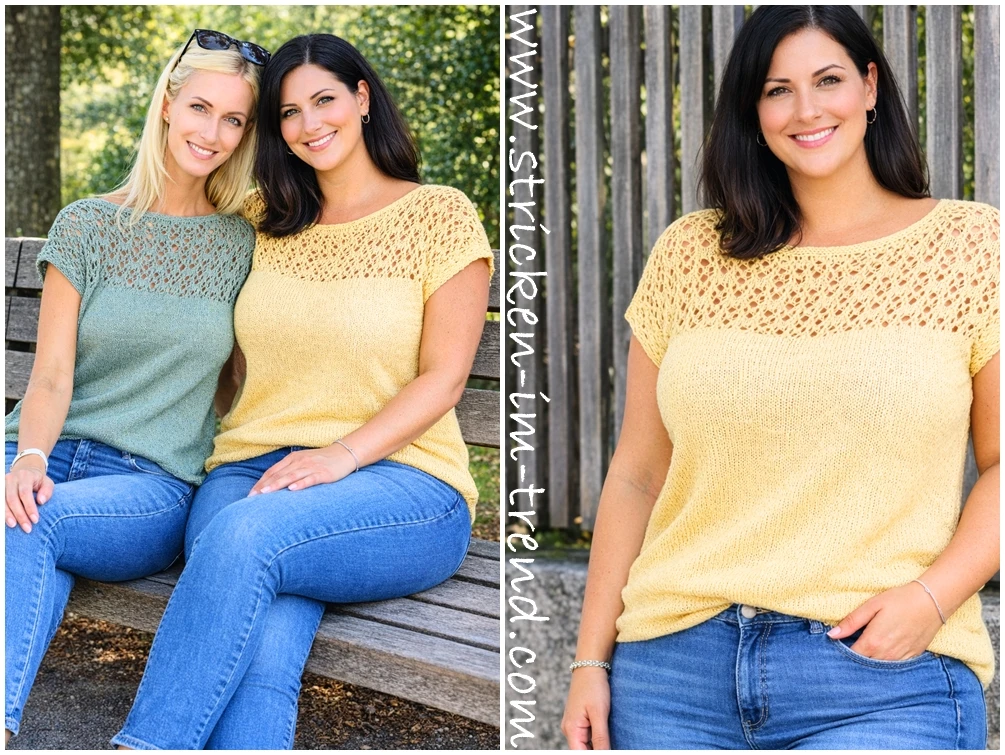
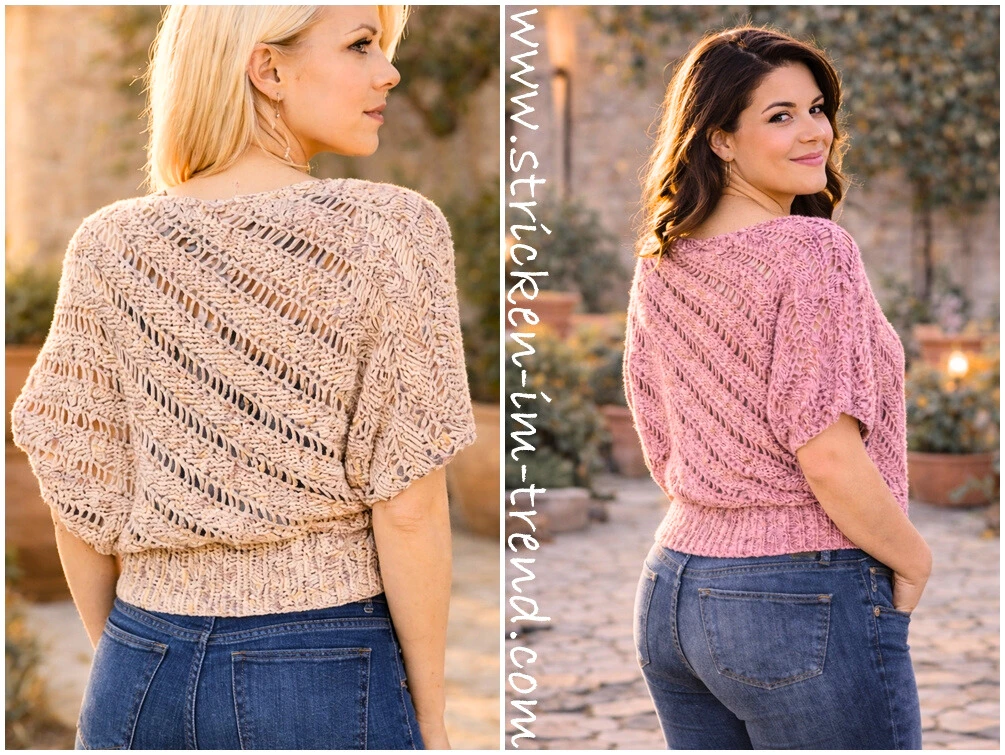
Style knows no Size.
An initiative by Kathrin Parlatan | stricken-im-trend.com