
Working with Paper Yarn – Surprisingly Wearable or Just Pretty Decoration?

The word alone sounds a little like someone completely lost control in a craft store.
And honestly?
The first time I held paper yarn in my hands, I was convinced:
This stuff would survive exactly one Pinterest photo — and fall apart the moment someone actually used it. 😄
But then this material suddenly started appearing everywhere:
- summer hats
- designer bags
- boho accessories
- crocheted baskets
- minimalist home décor
- even summer tops
And at some point you realize:
Okay… this clearly isn't just a short-lived DIY accident anymore.
Paper yarn has genuinely become a real trend material.
But:
How well does it actually work?
Is it wearable?
Or does it only look good in photos?
That's exactly what we're talking about today.
And at the end, there's even a small free pattern waiting for you. 🧶
#FunFact: Paper Fashion Is Older Than You Think
The idea of creating wearable materials from paper is far from new.
As early as 16th-century Japan, textile-like fabrics were made from special paper fibers. Later, people around the world experimented with paper textiles — especially during times of material shortages.
And then came the 1960s.
Yes, really.
Back then, actual paper dresses became a fashion trend for a short time. "Paper Fashion" was considered modern, futuristic, and inexpensive to produce.
Most of those garments were basically:
"Please don't move too much" fashion. 😄
Modern paper yarns only partly resemble those early experiments.
Today, many versions are made from:
- cellulose fibers
- raffia
- paper-viscose blends
- treated paper raffia
- recycled plant fibers
And some of them are surprisingly durable.
What Exactly Is Paper Yarn?
This is where the confusion already begins.
Because "paper yarn" is really a general term for several different materials.
Raffia Yarn
Very popular for bags, hats, and summer accessories.
Usually slightly shiny, shape-retaining, and fairly sturdy.
Paper Raffia
Paper-like strands made from cellulose.
Commonly used for:
- baskets
- placemats
- décor
- structured bags
Washable Paper Yarn
Yes — this actually exists.
These versions are often softer and more flexible than traditional paper raffia.
Paper-Cotton Blends
Much more comfortable for clothing.
These blends usually offer:
- better wearability
- softer drape
- less "crinkly" texture
What Does Paper Yarn Actually Feel Like?
Now for the honest part.
Because Pinterest loves showing:
✨ perfect summer bags on the beach ✨
Reality can feel a little more… athletic. 😄
The Advantages
- surprisingly lightweight
- beautiful texture
- excellent structure retention
- perfect for summer projects
- modern and high-end appearance
- extremely photogenic
- ideal for boho and natural aesthetics
Especially bags and hats benefit enormously from these qualities.
The Downsides
- very little elasticity
- hands can tire more quickly
- some versions split easily
- frogging is not particularly fun
- not every paper yarn feels soft
- sometimes too stiff for larger garments
And that's exactly why paper yarn isn't automatically suitable for every project.
Knitting or Crochet – Which Works Better?
If we're being completely honest:
Paper yarn is much more of a crochet star than a classic knitting yarn. 😄
Of course, you can knit with it.
But many paper yarns simply perform much better in crochet projects.
Why Crochet Often Works Better
Crochet creates:
- sturdier structures
- firmer surfaces
- less distortion
- cleaner edges
Which makes it perfect for:
- bags
- sun hats
- baskets
- coasters
- summer accessories
Structured crochet stitches especially look incredibly high-end when worked in paper yarn.
Knitting Still Works — With Some Limitations
Best suited for:
- loose mesh patterns
- lightweight summer tops
- decorative accessories
- textured scarves
Less ideal for:
- heavy sweaters
- highly elastic garments
- tight-fitting projects
Because paper yarn simply behaves very differently from traditional wool.
Which Projects Actually Work Well?
This is usually where Pinterest fantasy meets reality. 😄
Especially Suitable
👜 Summer Bags
Probably THE classic project.
Paper yarn provides:
- stability
- structure
- modern summer vibes
👒 Sun Hats
Perfect because the material holds its shape beautifully.
🧺 Baskets & Home Décor
Elegant-looking and wonderfully sturdy.
🕶️ Small Accessories
For example:
- glasses cases
- belts
- small clutches
- coasters
More Difficult Projects
- thick winter garments
- fitted tops
- highly stretchy projects
- heavy cardigans
Yarn Recommendations for Beginners
If you want to try paper yarn for the first time, I wouldn't start with the stiffest option available.
Softer blends are usually much more pleasant for beginners.
Good for Beginners
✅ softer raffia blends
✅ paper-cotton blends
✅ flexible cellulose yarns
🧶 Rico Design – Creative Paper
A popular beginner-friendly yarn with beautiful color options and relatively comfortable handling.
Great for small bags, hats, or first crochet projects using paper yarn.
🧶 Katia – Raffia
Feels a bit more natural and is often easier to work with than very stiff paper raffia yarns.
Perfect for summer accessories and modern boho-style projects.
Good for Bags & Baskets
✅ firm raffia varieties
✅ shape-retaining paper yarns
✅ stronger textured yarns
🧶 Hoooked – Raffia/Jute-like Yarns
Perfect for sturdy baskets, bags, or structured home décor.
Quite firm to work with — but incredibly stable.
🧶 Durable – Dare to be Fabulous
A modern textured yarn with a sophisticated appearance.
Especially beautiful for smaller bags, clutches, or decorative summer accessories.
Good for Summer Wear
✅ softer blends
✅ lightweight paper-cotton yarns
✅ flexible summer fibers
🧶 Lana Grossa – Raffia Mix Variants
More comfortable for wearable summer fashion because the blend tends to be softer and more flexible than pure paper yarn.
🧶 Paper-Cotton Blend Yarns from Various Brands
Perfect for anyone who loves the paper-yarn look but still wants a softer wearing experience.
Especially suitable for loose summer tops or lightweight vests.
Small Free Pattern: Crocheted Paper Yarn Sunglasses Case 🕶️
A perfect little project for testing the material.
Quick, practical — and ideal for getting to know paper yarn without immediately committing to an entire summer bag. 😄
Materials
- approx. 30–50 g paper yarn or raffia yarn
- matching crochet hook
- scissors
- tapestry needle
- 1 wooden button
- optional magnetic closure

Basic Idea
The case is crocheted using double crochet stitches (US Terms: single crochet stitches) in spiral rounds and later folded into shape.
Instructions
Base
Round 1
Work 6 double crochets into a magic ring
(US Terms: work 6 single crochets into a magic ring).
Round 2
Work 2 double crochets into each stitch around = 12 stitches
(US Terms: work 2 single crochets into each stitch around = 12 stitches).
Round 3
[work 2 double crochets into the next stitch, work 1 double crochet into the next stitch] around = 18 stitches
(US Terms: [work 2 single crochets into the next stitch, work 1 single crochet into the next stitch] around = 18 stitches).
Round 4
[work 2 double crochets into the next stitch, work 1 double crochet into each of the next 2 stitches] around = 24 stitches
(US Terms: [work 2 single crochets into the next stitch, work 1 single crochet into each of the next 2 stitches] around = 24 stitches).
The base should now roughly match the width of your sunglasses.
Depending on your yarn thickness, this may already be enough — or possibly even slightly too wide.
Body of the Case
Once the size fits, continue without further increases.
Work double crochets in spiral rounds until the case measures approx. 17–18 cm / 6.7–7 inches tall
(US Terms: work single crochets in spiral rounds).
Tip:
Do not crochet too loosely — paper yarn holds its shape especially well with slightly firmer tension.
Shaping the Flap
Now continue working over only about half of the stitches.
To do this:
- flatten the case
- mark the center
- continue crocheting only across the front section
Flap
Work rows of double crochets
(US Terms: work rows of single crochets).
In every second row, decrease 1 stitch on both sides so the flap gradually tapers into a slightly pointed shape.
This creates the classic envelope-style closure.
Finishing
Work 1 round of slip stitches or crab stitches around the entire edge
(US Terms: reverse single crochet).
This gives the case a cleaner and more structured finish.
Closure
Sew a wooden button onto the center front.
Create a small loop from chain stitches and attach it to the flap.
Optional Details
Also very beautiful:
- leather labels
- wooden beads
- small tassels
- hidden magnetic closure
😊 My Personal Conclusion
Paper yarn is definitely more than just "decoration to look at."
But:
It's also not a replacement for classic wool.
And that's exactly what makes this material so interesting.
If you understand what paper yarn is actually meant for, you can create incredibly beautiful summer projects with it — especially in crochet.
You simply have to accept that it behaves completely differently from cotton or merino wool.
And honestly?
Sometimes that's exactly the charm of discovering new materials.
💬 Have You Ever Worked with Paper Yarn?
Then feel free to share:
- What worked well?
- What didn't?
- And would you use it again? 😄
#strickenimtrend #paperyarn #raffiayarn #crochet #summercrochet #materialknowledge
And maybe that's exactly the magic of handmade crafts:
That even something as unexpected as "paper" can suddenly become something beautiful, practical, and wearable. 🧶
All my love,
Kathrin 🌸
Would you like to dive even deeper into my world of stitches?
Discover my patterns, browse the blog or join the community!
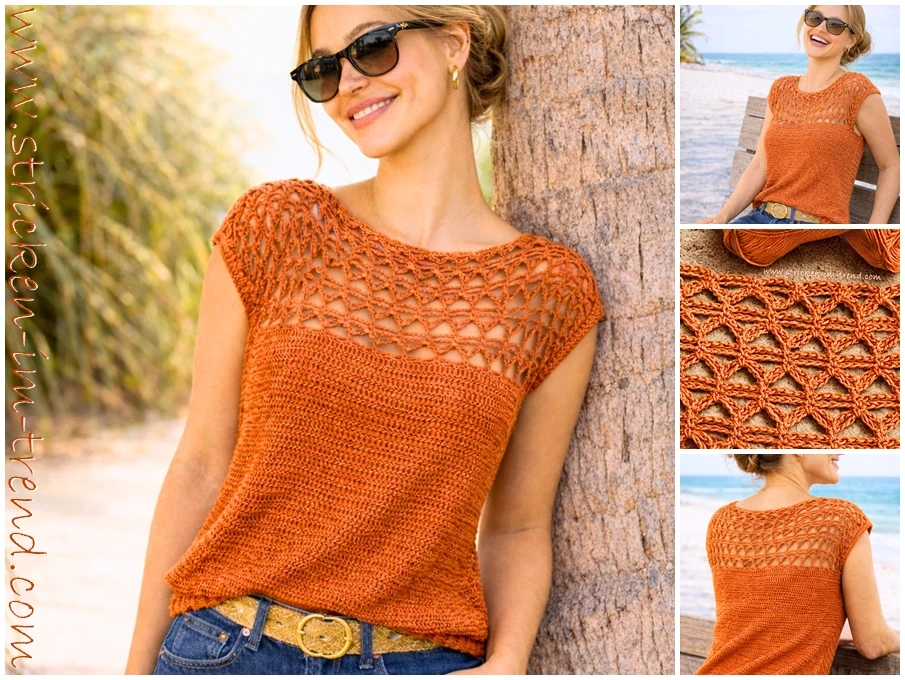
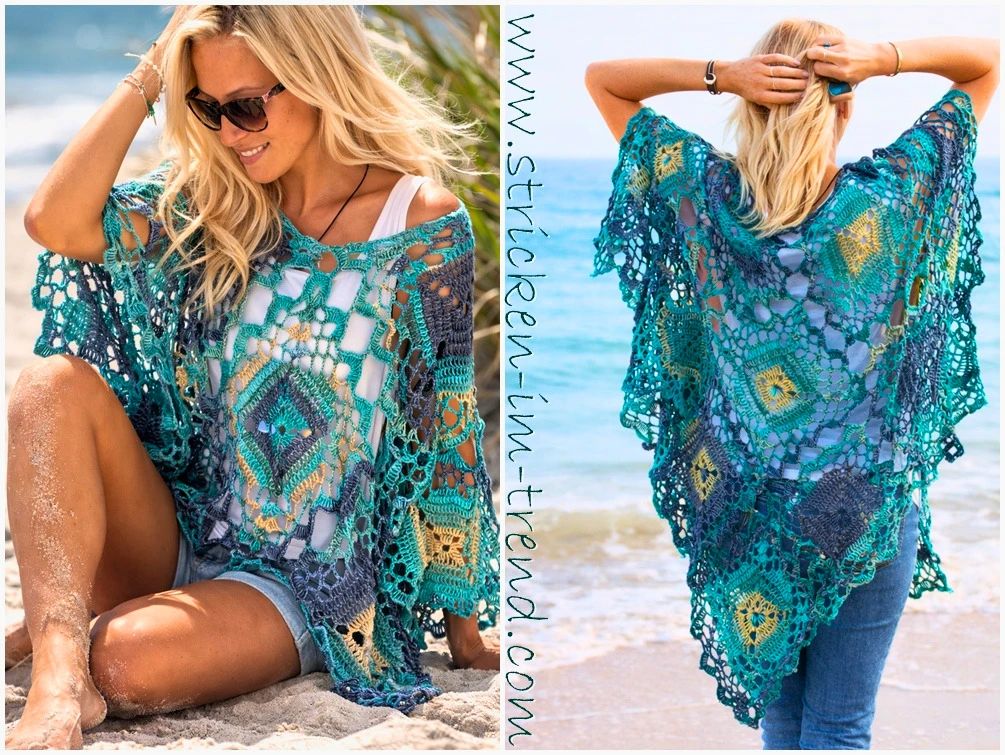
Popular patterns from stricken-im-trend.com
Maybe your next project is already here –
discover some popular designs from the stricken-im-trend collection.
Style knows no Size.
An initiative by Kathrin Parlatan | stricken-im-trend.com